Every business in the UAE needs two kinds of early warning: one that tells people to leave the building when there is a fire, and one that tells you when someone enters a space they should not. These are different systems with different jobs, but they are often planned together, installed by the same team and monitored from the same place. This guide explains how each works, what to choose and how to keep both reliable over time.
Fire alarm and intrusion alarm: what is the difference?
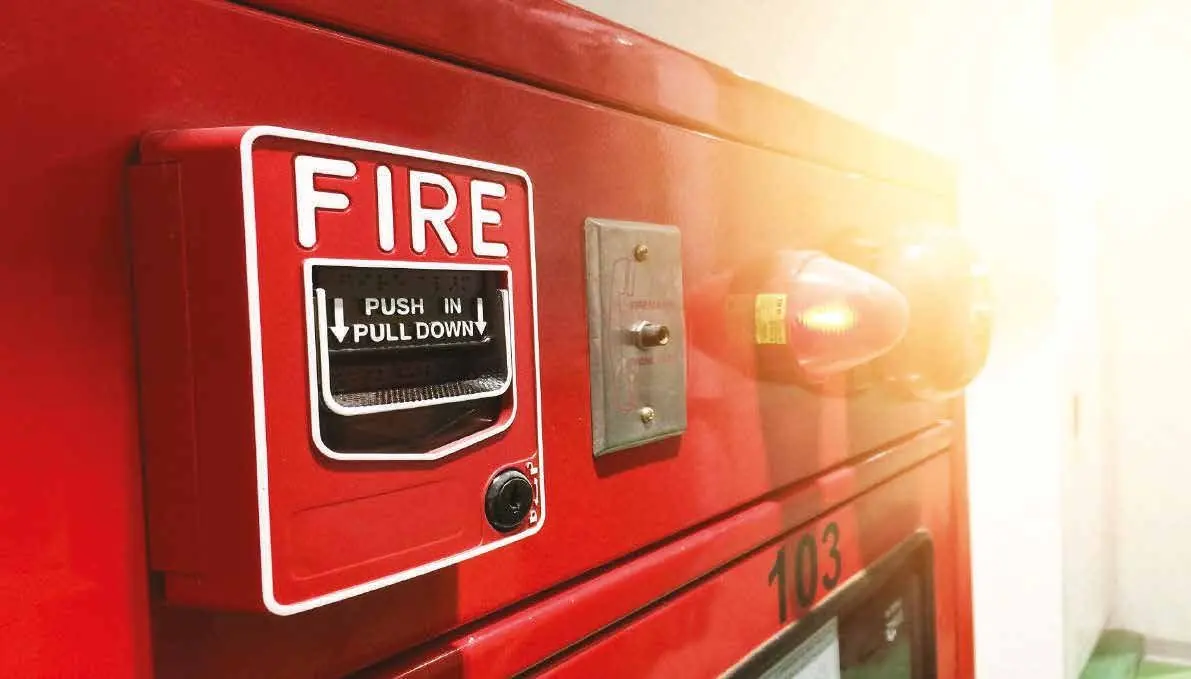
A fire alarm system is a life safety system. Its job is to detect smoke, heat or flame as early as possible, sound the alarm across the building and help people evacuate. It usually also sends signals to other building systems, for example to release magnetic door locks, stop air handling units or recall lifts.
An intrusion alarm system, often called a burglar alarm, protects property. It detects unauthorised entry when an area is armed, triggers sirens and sends alerts to you or a monitoring centre. It is armed and disarmed by users, while a fire alarm is always active.
Because the fire alarm protects lives, it is subject to stricter rules on design, approved equipment and testing. Keep this in mind when you plan budgets and timelines.
Conventional vs addressable fire alarm systems
The first decision for most businesses is the type of fire alarm panel.
Conventional systems
In a conventional system, detectors are wired in groups called zones. When a detector activates, the panel shows which zone is in alarm, but not which device. Conventional panels are simple and well suited to small premises such as a single shop, a small office or a compact warehouse where a zone covers a small, easy to search area.
Addressable systems
In an addressable system, every detector and call point has its own address on a loop. The panel shows exactly which device has activated and where it is, for example "Smoke detector, Level 2, Meeting Room 3". Addressable systems also report faults and dirty detectors, which makes maintenance easier. The loop wiring can also continue to work if the cable is cut at one point, depending on the design.
For larger offices, multi-floor buildings, hotels, showrooms and industrial sites, addressable is usually the better choice. The equipment costs more per device, but the faster response and easier fault finding often justify it.
Detectors and manual call points
Choosing the right detector for each space prevents both missed fires and false alarms. Common types include:
- Optical smoke detectors for offices, corridors and most general areas.
- Heat detectors for kitchens, pantries and areas with steam or dust, where smoke detectors would cause false alarms.
- Multi-sensor detectors that combine smoke and heat sensing to improve reliability.
- Beam detectors for warehouses and large open spaces with high ceilings.
- Aspirating smoke detection for server rooms and other sensitive areas where very early warning matters.
- Manual call points (break glass units) on escape routes and near exits, so anyone can raise the alarm.
Sounders and visual beacons complete the system. Beacons matter in noisy areas and for people with hearing impairments.
Intrusion sensors and alarm monitoring
A good intrusion alarm layers protection from the outside in. Typical devices are:
- Door contacts on entrances, emergency exits and roller shutters.
- PIR motion detectors for offices and storerooms, and dual technology detectors where heat sources or air movement could trigger false alarms.
- Glass break detectors for shopfronts and glazed areas.
- Outdoor beams or detectors to cover yards, fences and loading areas.
- Panic buttons at reception desks and cash points.
Dividing the premises into areas, such as warehouse, offices and server room, lets you arm parts of the building while staff are still working in others. Brands such as Bosch and Hikvision offer intrusion panels that support this kind of partitioning.
Monitoring, alerts and integration
An alarm that sounds in an empty building at 3am is of limited use if nobody responds. Plan how alerts will reach people:
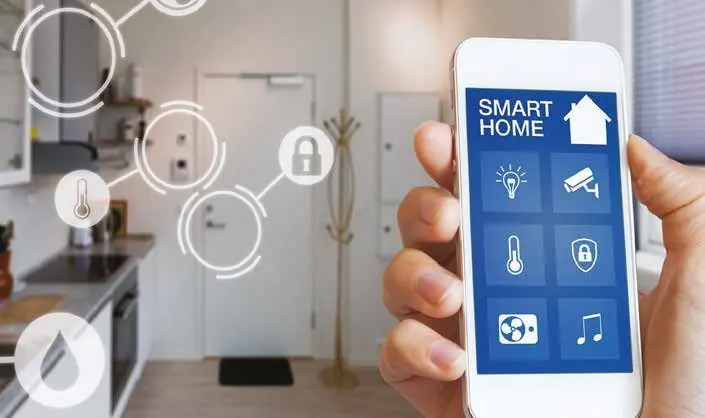
- Push notifications and SMS to managers through a mobile app.
- Connection to a monitoring centre that verifies and escalates alarms.
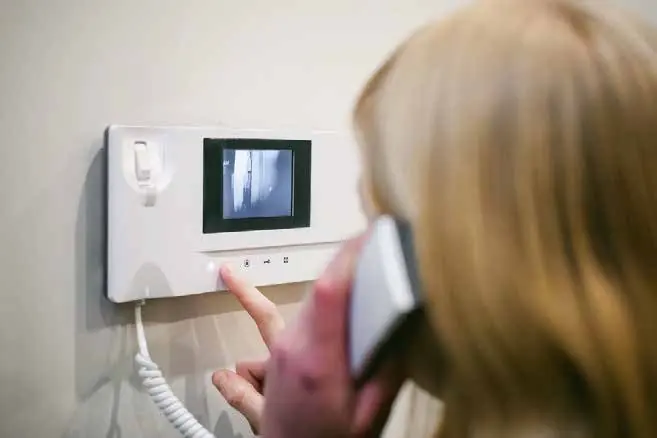
- Integration with CCTV cameras, so an intrusion alarm opens the relevant camera view and records the event.
- Links to access control, so arming happens automatically when the last person leaves, and fire alarm activation releases locked doors.
For sites with many systems, a central control room can bring fire, intrusion and video alarms onto one screen.
Civil Defence requirements and approvals
In the UAE, fire alarm systems fall under Civil Defence requirements. In general terms, this means the system must be designed to the applicable fire and life safety code, use approved equipment, be installed by a qualified contractor and be inspected and approved before the premises can operate or renew certain permits. The exact requirements depend on the emirate, the building type and its use.
Before you start, confirm with your landlord or building management what the existing base building system includes, and check that your contractor is qualified to carry out fire alarm work in your emirate. For security systems in Dubai, SIRA regulates the sector, so check that your intrusion and CCTV installer is approved where required.
Testing and maintenance
Alarm systems only protect you if they work on the day they are needed. A sound maintenance plan includes:
- Regular functional tests of detectors, call points, sounders and sensors.
- Checks of panel batteries and backup power.
- Cleaning or replacing detectors that report contamination.
- Reviewing false alarm records to fix their causes, not only reset the panel.
- Keeping a logbook of tests, faults and repairs for inspections.
Update the system whenever you change the layout. New partitions, a new pantry or a moved storeroom can leave areas uncovered or create false alarms.
Frequently asked questions
Can one company install both fire and intrusion alarms?
Yes, and it often makes coordination easier. Make sure the company is qualified for fire alarm work as well as security work, since the two follow different rules.
What drives the cost of an alarm system?
The main factors are the size and layout of the premises, conventional or addressable design, the number and type of devices, cabling routes, integration with other systems and the level of monitoring you need.
Can I add sensors to an existing system later?
Usually yes, as long as the panel has spare capacity. Addressable fire panels and modern intrusion panels are designed to be expanded.
Plan your alarm system with maxclick
maxclick designs and installs alarm and fire alarm systems for offices, warehouses, showrooms and industrial sites across the UAE, with tidy labelled cabling, training for your team and maintenance contracts after handover. Learn more about our alarm and fire alarm services, or contact us to book a free site visit in Dubai and receive a fixed written quote.