A good CCTV system does two jobs. It discourages problems before they happen, and it gives you clear, usable footage when something does go wrong. Getting both right in Dubai means planning coverage carefully, choosing cameras that cope with the climate, recording reliably and, for businesses, meeting the requirements of the local regulator. This guide walks you through each step so you can talk to installers with confidence and know what a well-built system looks like.
Start with a coverage plan, not a camera count
The most common mistake is to decide on a number of cameras first. A better approach is to list what you actually need to see and why. For each area, ask whether you need to detect movement, recognise a person, or read a number plate. Each of these needs a different level of detail, which affects camera position, lens and resolution.
Typical priorities look like this:
- Entry and exit points: main doors, gates, garage and service entrances, where you want clear faces.
- Perimeter: boundary walls, gardens, parking areas and loading bays.
- High-value areas: cash counters, stock rooms, server rooms and reception desks.
- Circulation routes: corridors, staircases and lift lobbies that connect everything else.
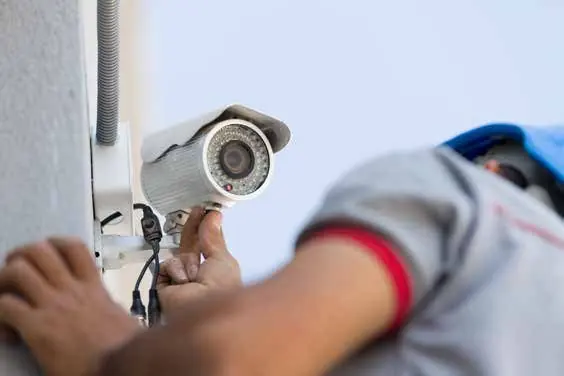
A site visit lets an installer check lighting at different times of day, mounting surfaces, cable routes and blind spots. Ask for a camera layout drawing before you approve a quote, so you can see exactly what each camera will cover.
Which camera types suit which areas?
Most modern installations use IP cameras, which send digital video over a network cable. Older analogue (HD-over-coax) systems still exist and can be a sensible upgrade path if a building already has coaxial cabling, but new projects are usually IP.
- Dome cameras are compact and discreet, and work well indoors and under ceilings.
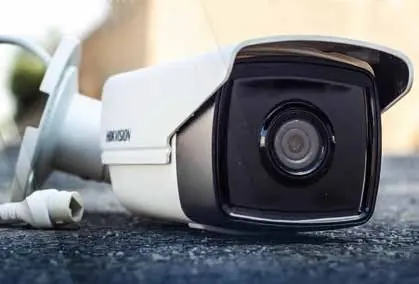
- Bullet cameras are visible and point in a clear direction, which suits perimeters and driveways.
- Turret cameras combine a compact body with easy aiming and good night performance.
- PTZ cameras (pan, tilt, zoom) cover large open spaces and can be controlled by an operator.
- Fisheye cameras give a full overview of a room from one ceiling point.
For outdoor use in the UAE, check the camera's IP rating for dust and water protection and its rated operating temperature. Direct sun, heat and fine dust are harder on equipment than many people expect. If you are equipping a villa, our guide on choosing the right CCTV cameras for a villa goes into more detail.
Recording, storage and remote viewing
IP cameras record to a network video recorder (NVR). The NVR stores footage on surveillance-grade hard drives designed to run continuously. How much storage you need depends on the number of cameras, resolution, frame rate, whether you record all the time or only on motion, and how long you need to keep footage.
Video compression makes a large difference. H.265 typically needs noticeably less storage and bandwidth than the older H.264 for similar image quality, so it is worth confirming that both your cameras and NVR support it. For larger sites, ask about RAID configurations, which protect recordings if a single drive fails, and about a small UPS so the recorder keeps running through short power cuts.
Where should the recorder go?
Place the NVR in a secure, ventilated location such as a locked cabinet or server room, not on an open shelf near the entrance. If an intruder can take the recorder, they take the evidence too.
Watching your cameras on your phone
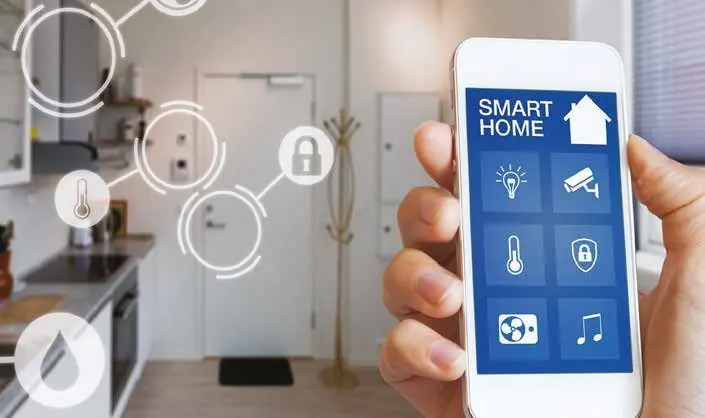
Most systems let you watch live and recorded video through a mobile app. Brands such as Hikvision and Axis each have their own apps and management software. Remote access is convenient, but it also connects your system to the internet, so it should be set up properly:
- Change every default password and use strong, unique credentials.
- Keep camera and NVR firmware up to date.
- Give each user only the access they need, rather than sharing one admin login.
- Place cameras on a separate network segment where possible.
A stable network matters as much as the cameras. If your site has weak Wi-Fi or messy cabling, see our networks and Wi-Fi services.
Regulation in Dubai: what you should know
In Dubai, security systems are regulated by the Security Industry Regulatory Agency (SIRA). Commercial CCTV installations must be carried out by approved companies and must meet SIRA's technical requirements, which can cover camera placement, image quality, recording and retention. Requirements vary by type of business and premises, and they are updated from time to time.
As general guidance, if you run a business, ask any installer whether they are approved for the work and how they will ensure your system meets current requirements. Keep the documentation they give you at handover. For private homes, respect the privacy of neighbours and the public, and avoid pointing cameras into other people's property. When in doubt, check directly with the relevant authority.
How to choose a CCTV installer in Dubai
Price matters, but the quality of design and installation decides how well the system works for years. When comparing companies, look for:
- A free site survey and a written, itemised quote before any work starts.
- Recognised camera and recorder brands with local warranty support.
- Neat, concealed and labelled cabling, with PoE switches sized for the cameras.
- Clear answers on regulatory approval for commercial projects.
- Training on the app and recorder, plus handover documentation.
- A maintenance option after installation.
Cost depends on the number and type of cameras, resolution, cable distances, mounting difficulty, storage needs and any integration with access control or alarms. A clear quote should show each of these.
Maintenance keeps your footage usable
Dust on lenses, spider webs, shifted camera angles and failing hard drives can quietly reduce a system's value. Regular maintenance should include cleaning lenses and housings, checking every camera's view and focus, testing night vision, reviewing recordings to confirm storage is working, and applying firmware updates. Businesses often prefer a maintenance contract so checks happen on a schedule rather than after an incident.
Frequently asked questions
Can I add cameras to my existing system later?
Usually, yes. An IP system can grow as long as the NVR has spare channels, the PoE switch has free ports and power, and there is enough storage. Planning some spare capacity at the start makes later expansion simpler.
Do I need internet for CCTV to work?
No. Cameras record to the NVR on your local network without internet. You only need an internet connection for remote viewing and notifications on your phone.
How long does installation take?
It depends on the size of the site and the cabling work. A small home system can often be done quickly, while a commercial site with long cable runs takes longer. Your installer should give you a timeline with the quote.
Plan your CCTV system with maxclick
Whether you are protecting a villa, an office or a warehouse, a well-planned system saves money and gives you footage you can rely on. Explore our CCTV and video surveillance services, or contact our team to arrange a free site visit in Dubai and a fixed written quote.